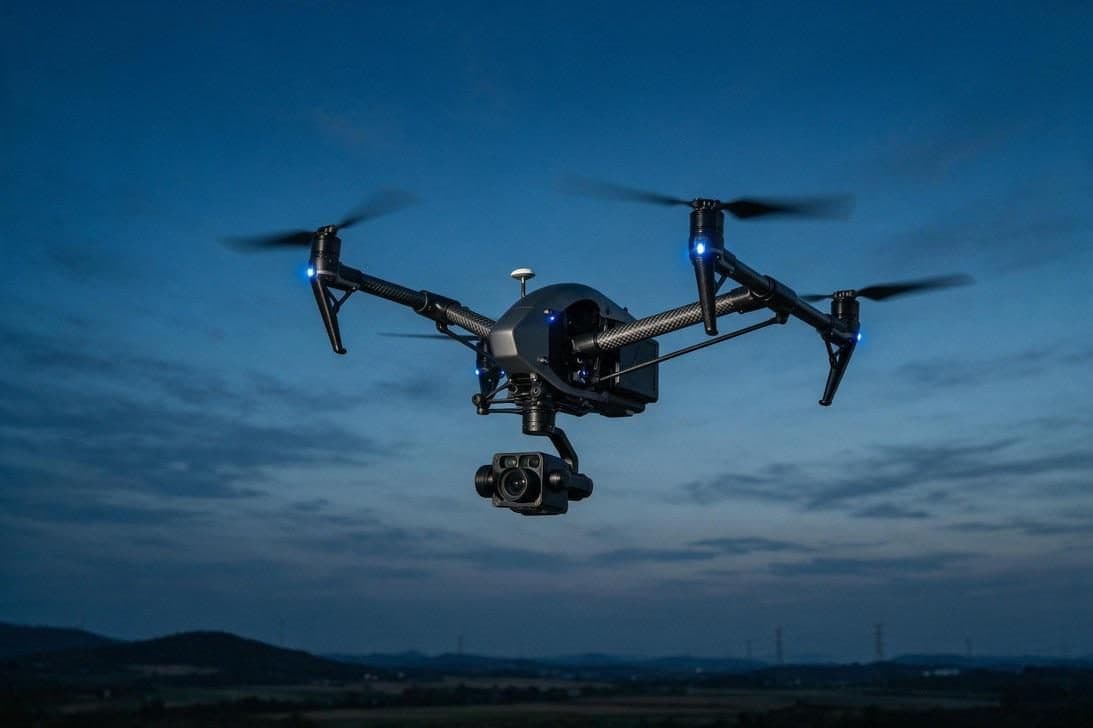
DeepTech Commercialisation Is Not a Straight Line
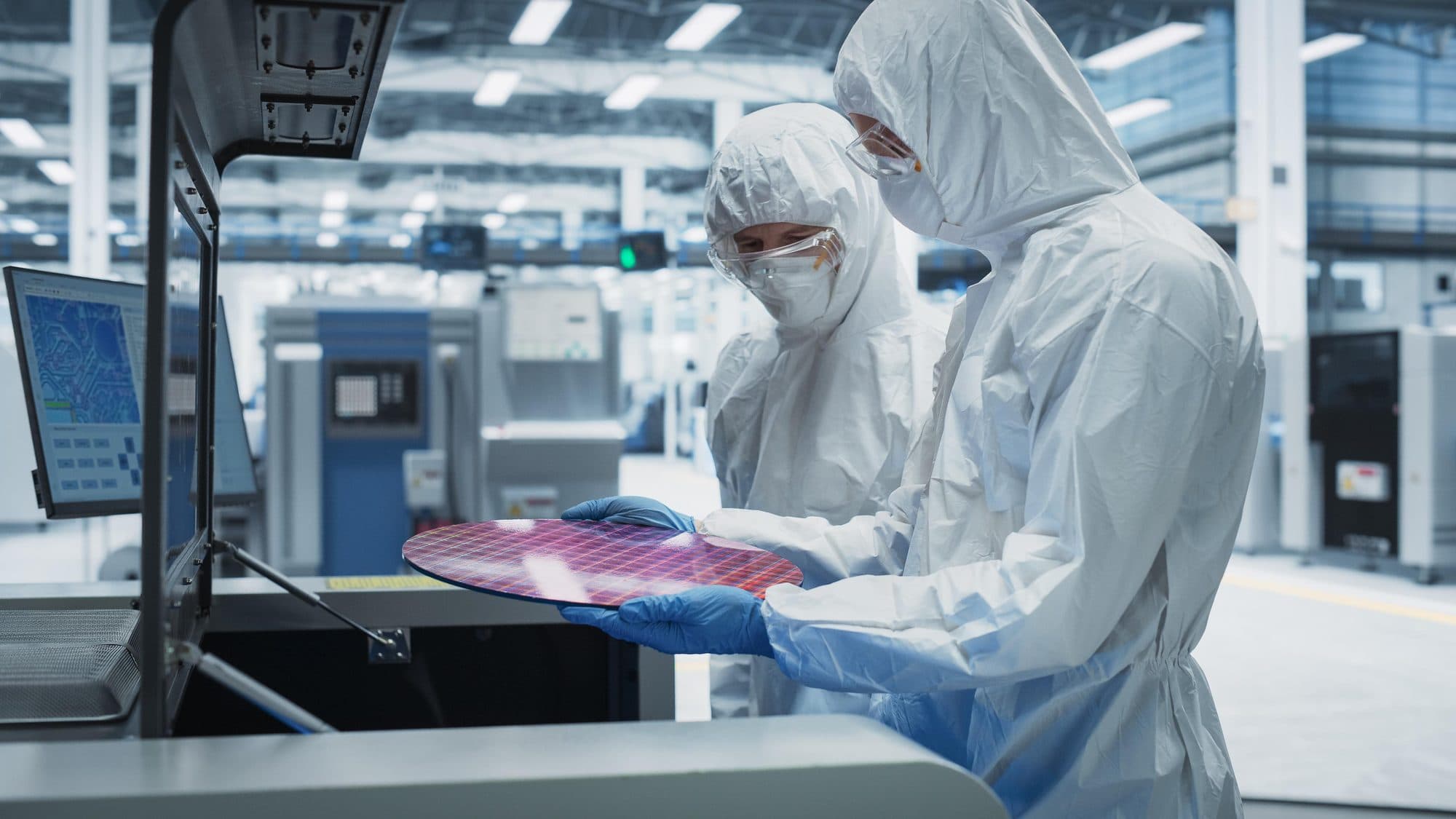
DeepTech companies are not built like conventional startups. The technology cycle is longer, the diligence is deeper, the customer is harder to win and the market may not yet have language for the product. That is what makes the opportunity meaningful.
The first risk is technical. The second is commercial.
Most DeepTech founders begin with a breakthrough. A sensor that can operate in extreme conditions. A diagnostic platform that changes testing economics. A robotics system that works outside controlled environments. A compute architecture that improves performance at the infrastructure layer.
But a breakthrough is not yet a company. The work begins when the technology meets the market.
Customers do not buy science. They buy outcomes.
DeepTech founders must translate complexity into value: lower downtime, higher accuracy, better yield, lower cost, faster deployment, higher resilience, stronger compliance.
The more complex the technology, the clearer the commercial case must be.
Capital must understand time.
DeepTech companies often need longer timelines than software-first companies. There may be pilots, certifications, hardware cycles, manufacturing constraints, enterprise procurement and regulatory pathways to work through.
This does not make the company weaker. It makes the investor's role more important.
India has the ingredients.
India has engineering talent, research depth, cost advantage, industrial demand and large domestic markets. What the ecosystem needs is focused capital, patient conviction and stronger bridges between research, industry and venture.
That is the work ahead.
DeepTech is not a category. It is a foundation.
The next generation of Indian companies will not only serve digital markets. They will build the physical layer underneath them.